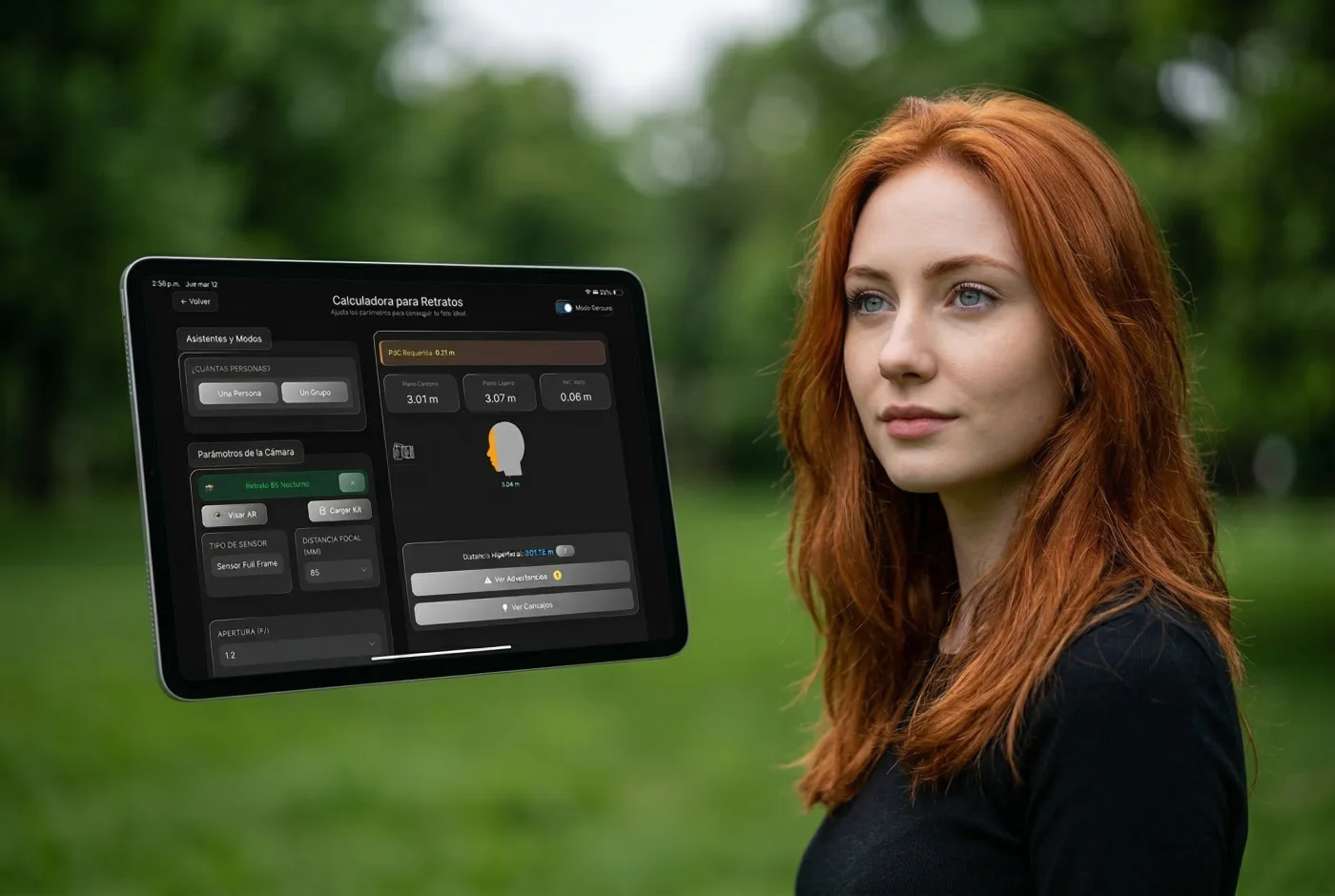
Your camera is not just any camera.Your settings should not be generic either.
Not every camera needs the same settings. And a portrait calls for a different approach from a landscape or a macro photograph. ShotPlanner Pro uses the characteristics of your camera and lens to offer solutions tailored to your equipment, your type of photography and the image you want to create.
Stop trying random numbers. Discover your alternatives.
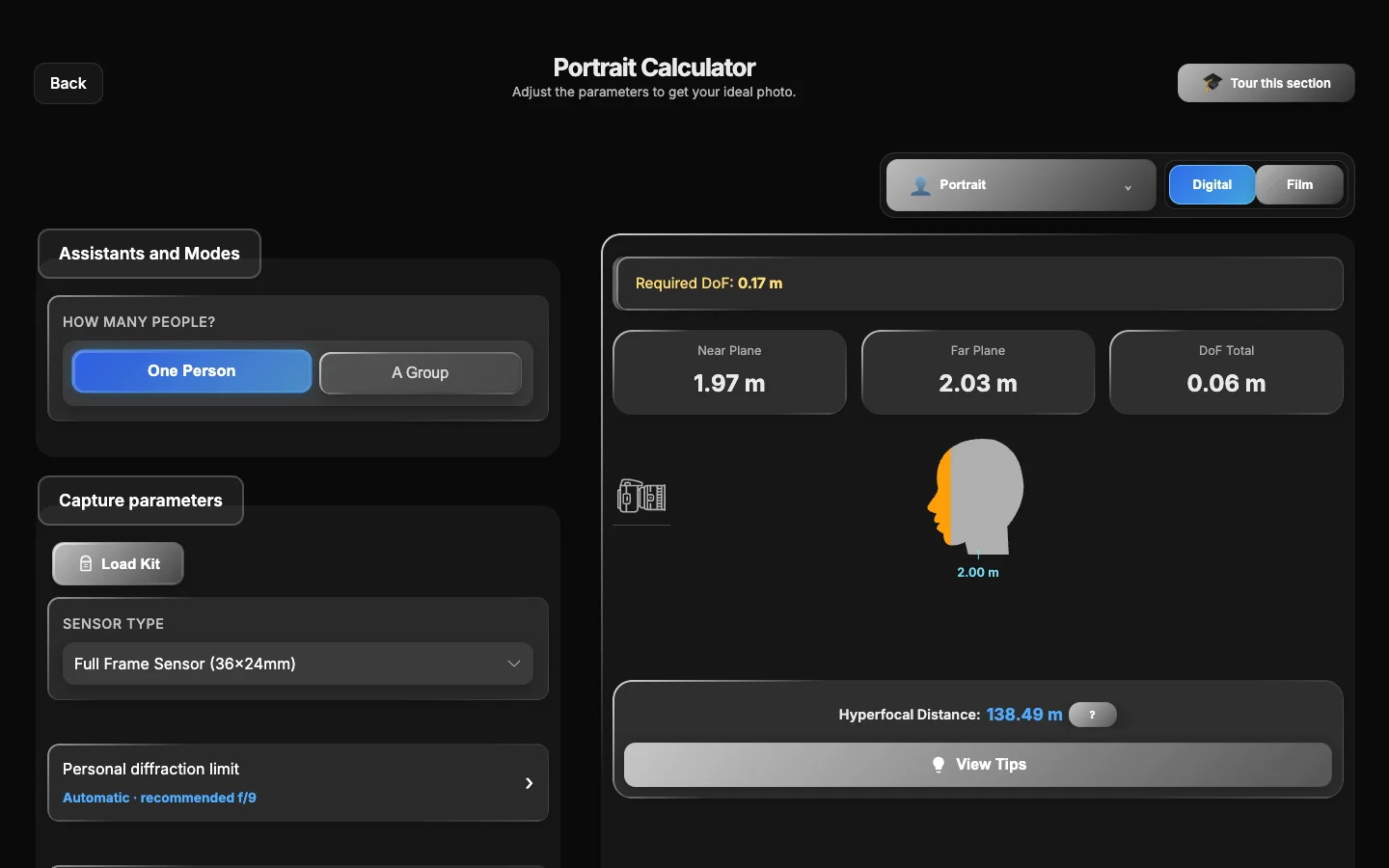
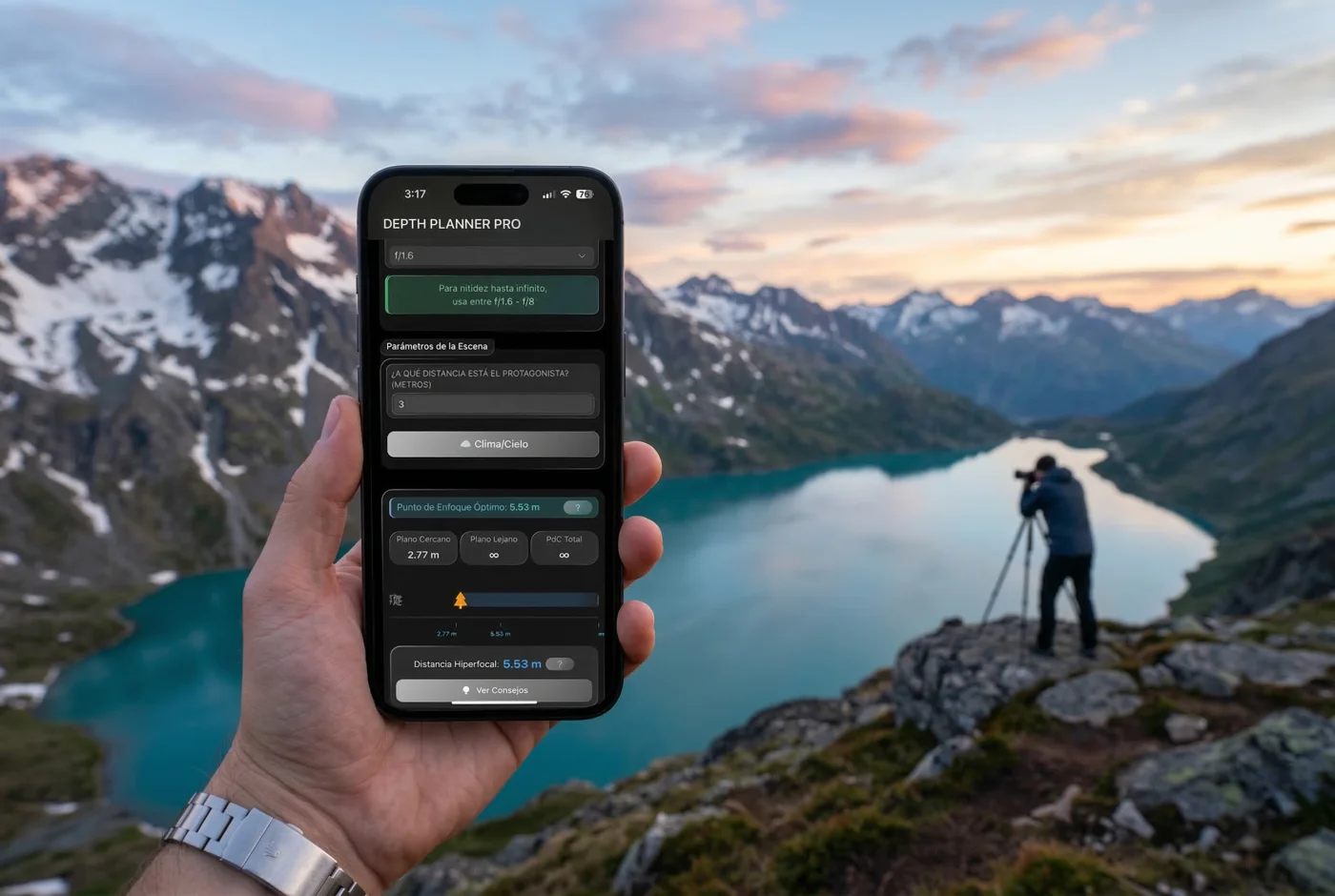
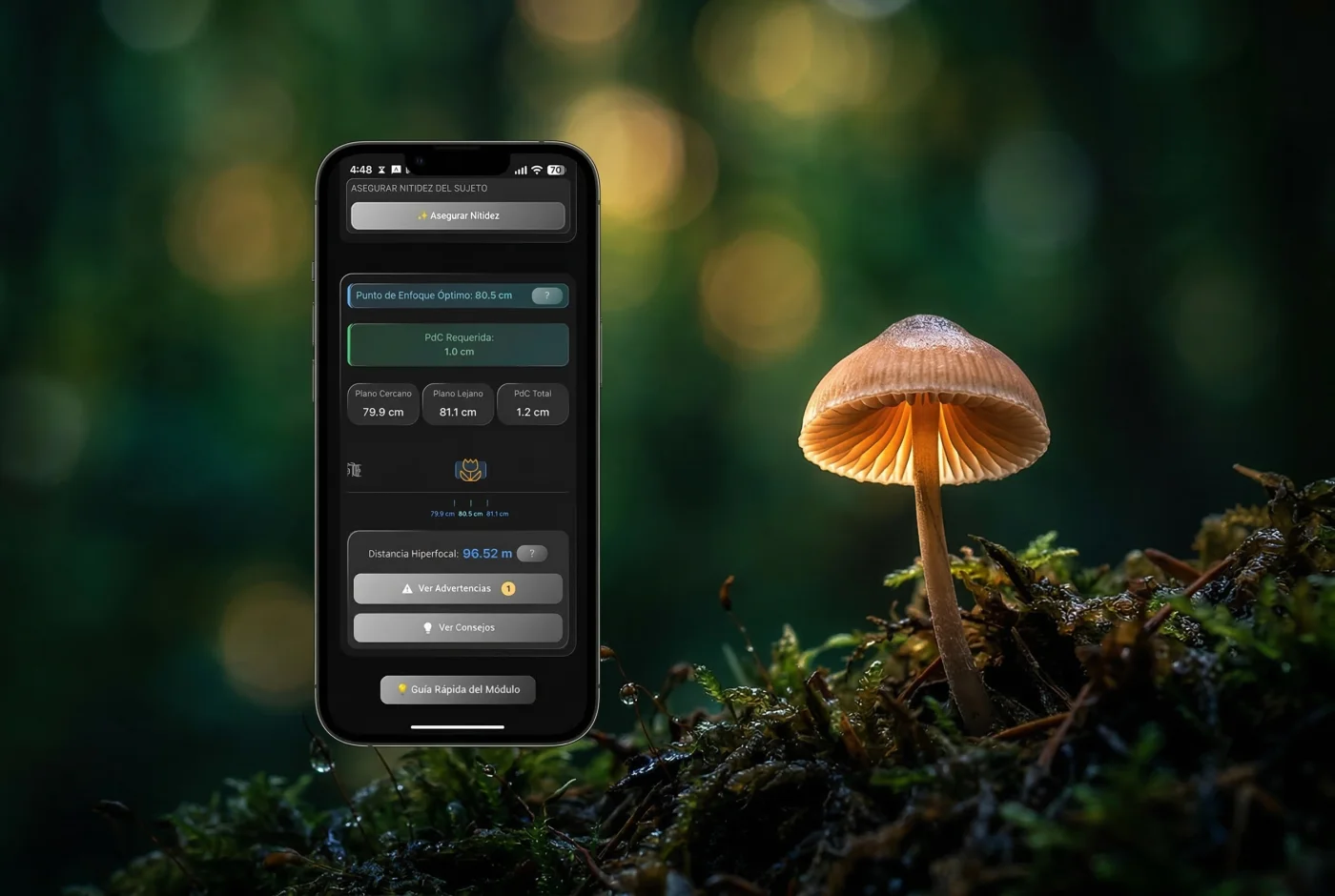
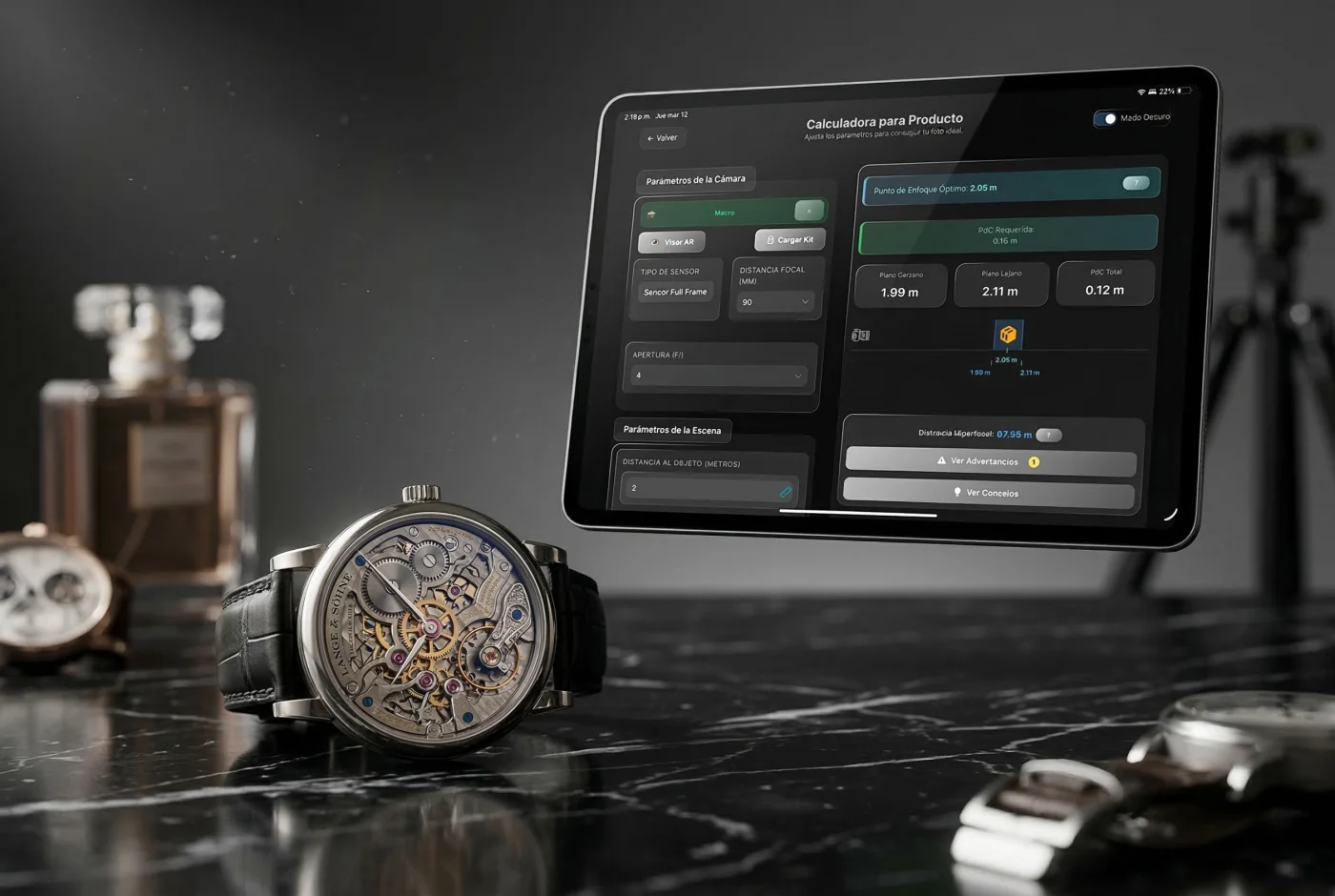
Cannot get the entire area you want in focus? ShotPlanner works backwards from your goal: it suggests aperture, focus or distance alternatives while respecting your equipment’s limits.
Choose freely. Understand the consequences.
If an aperture could reduce detail through diffraction, a distance is outside your lens’s focusing range or your settings do not cover the area you want, ShotPlanner warns you. It helps you understand the trade-off and choose how to resolve it.
The calculation is complex. Your experience does not have to be.
Focus calculations and alternatives in ShotPlanner
DIGITAL / FILM
Digital or film.Your way of photographing belongs here.
ShotPlanner supports both digital and film photography, with calculations that respect the characteristics of each medium. Film is not a digital sensor, and your decisions deserve guidance designed for it.
With film, every frame counts.
Prepare focus, depth of field and exposure before you shoot. Understand your equipment’s limits and discover alternatives that bring you closer to the image you want. Avoiding technical mistakes can also mean fewer wasted frames and better use of your investment in film and processing.
Keep the magic of film. Reduce uncertainty and costly mistakes.
135 / 120
Digital and film. Two media. The same intention to create.
02 / 10 TYPES OF PHOTOGRAPHY
Not every image is made the same way.Your assistant takes that into account.
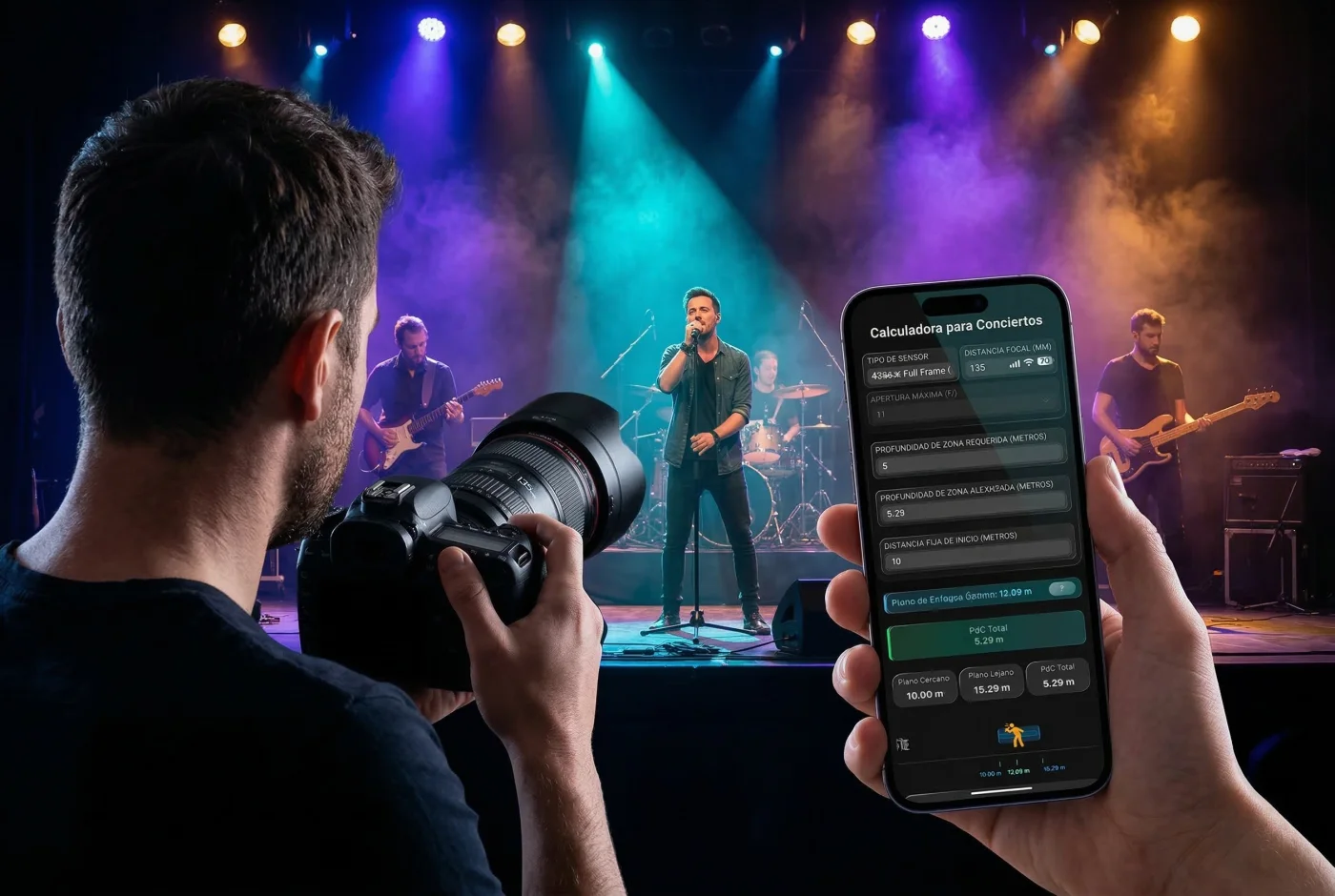
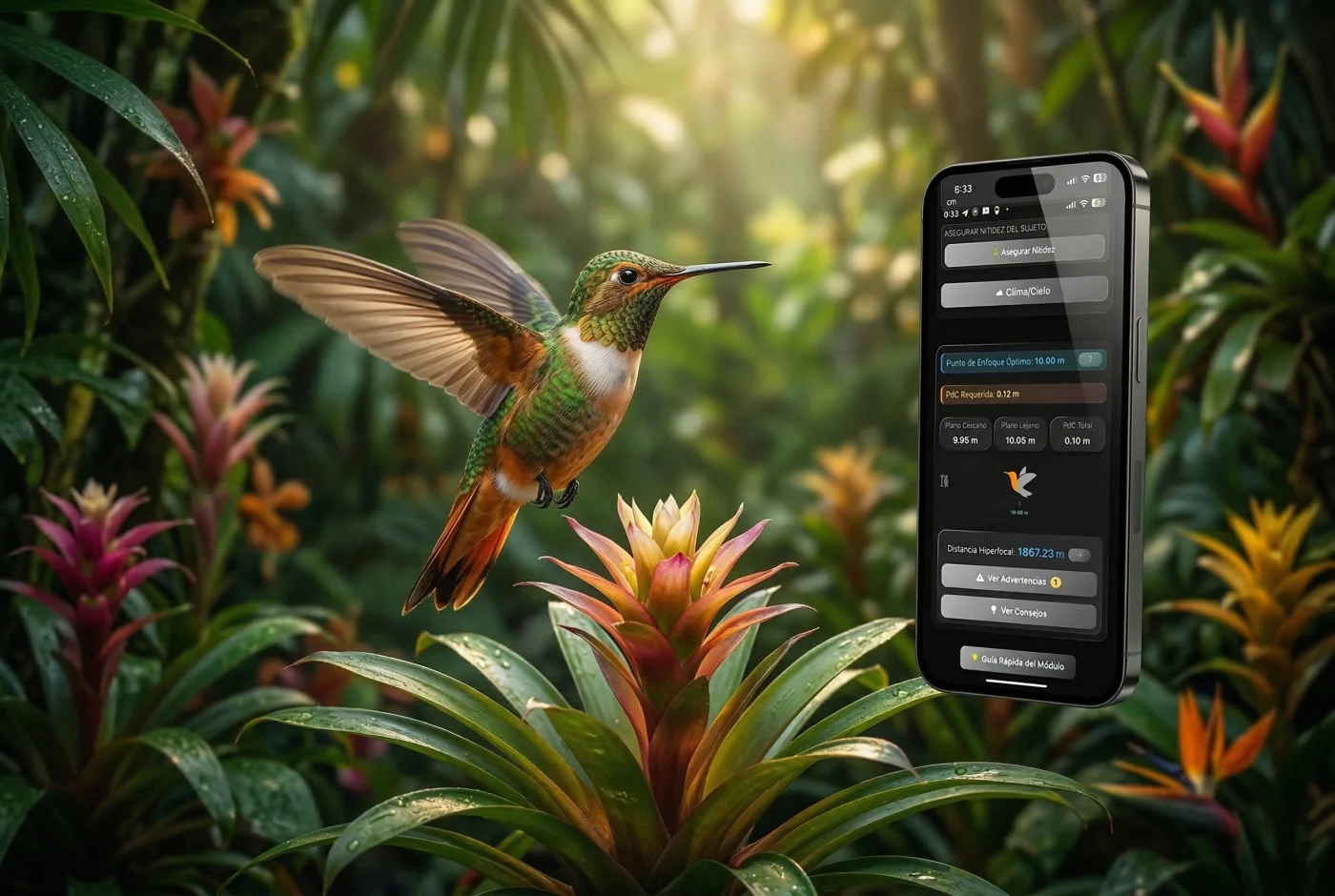
In a portrait, the eyes may matter most. In macro, a few millimetres change what stays in focus. At a concert, whether you can move—or cannot—changes the solutions available.
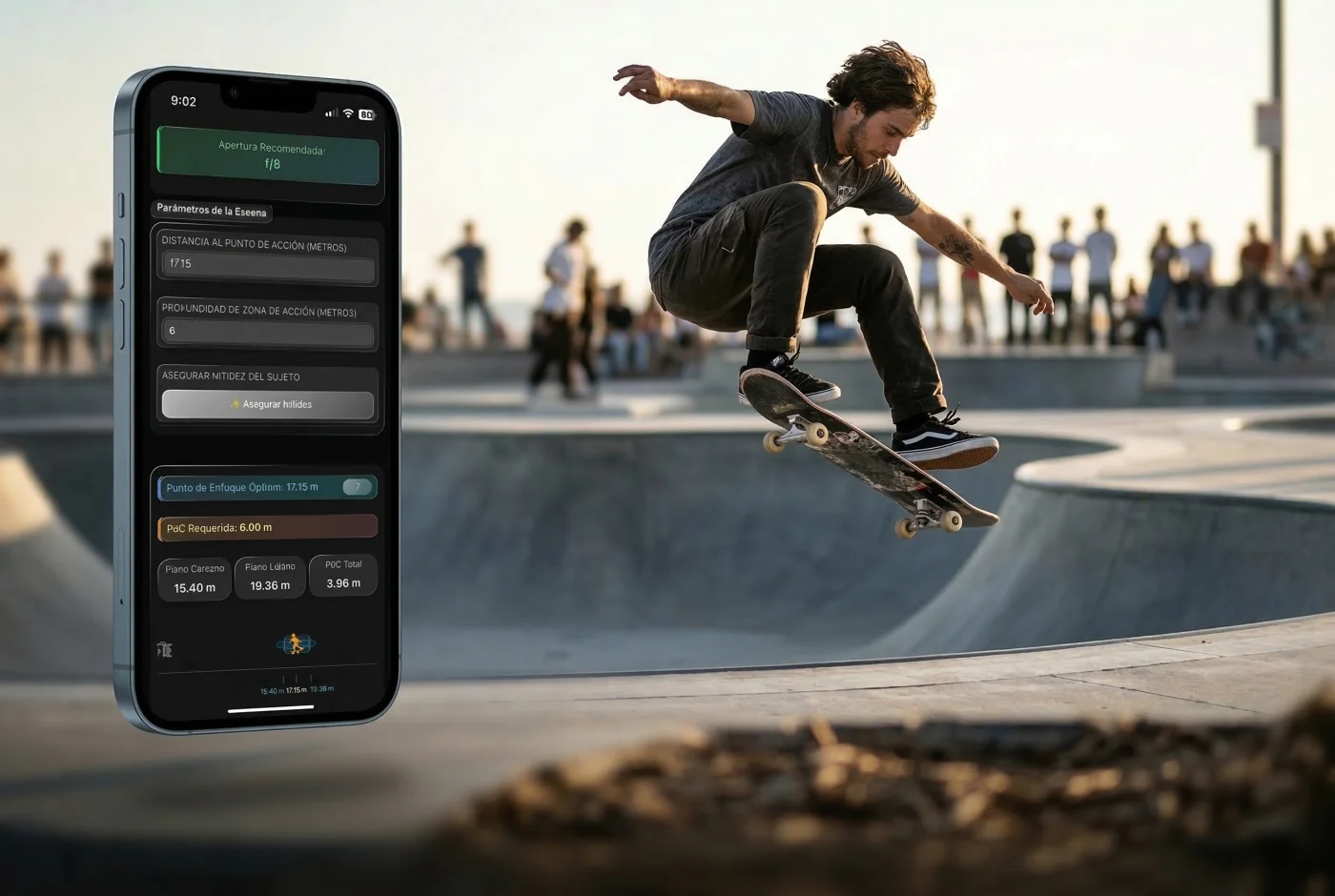
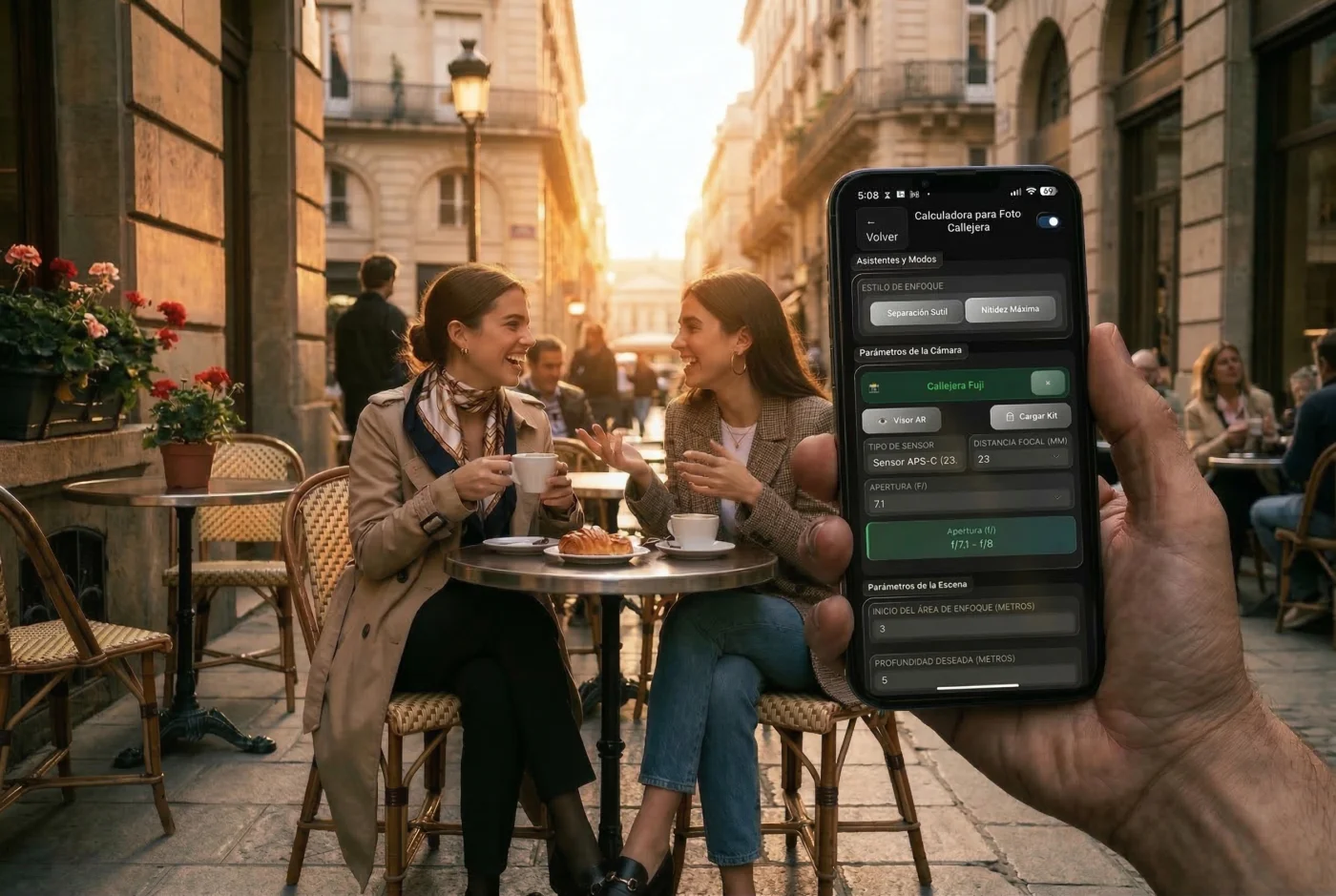
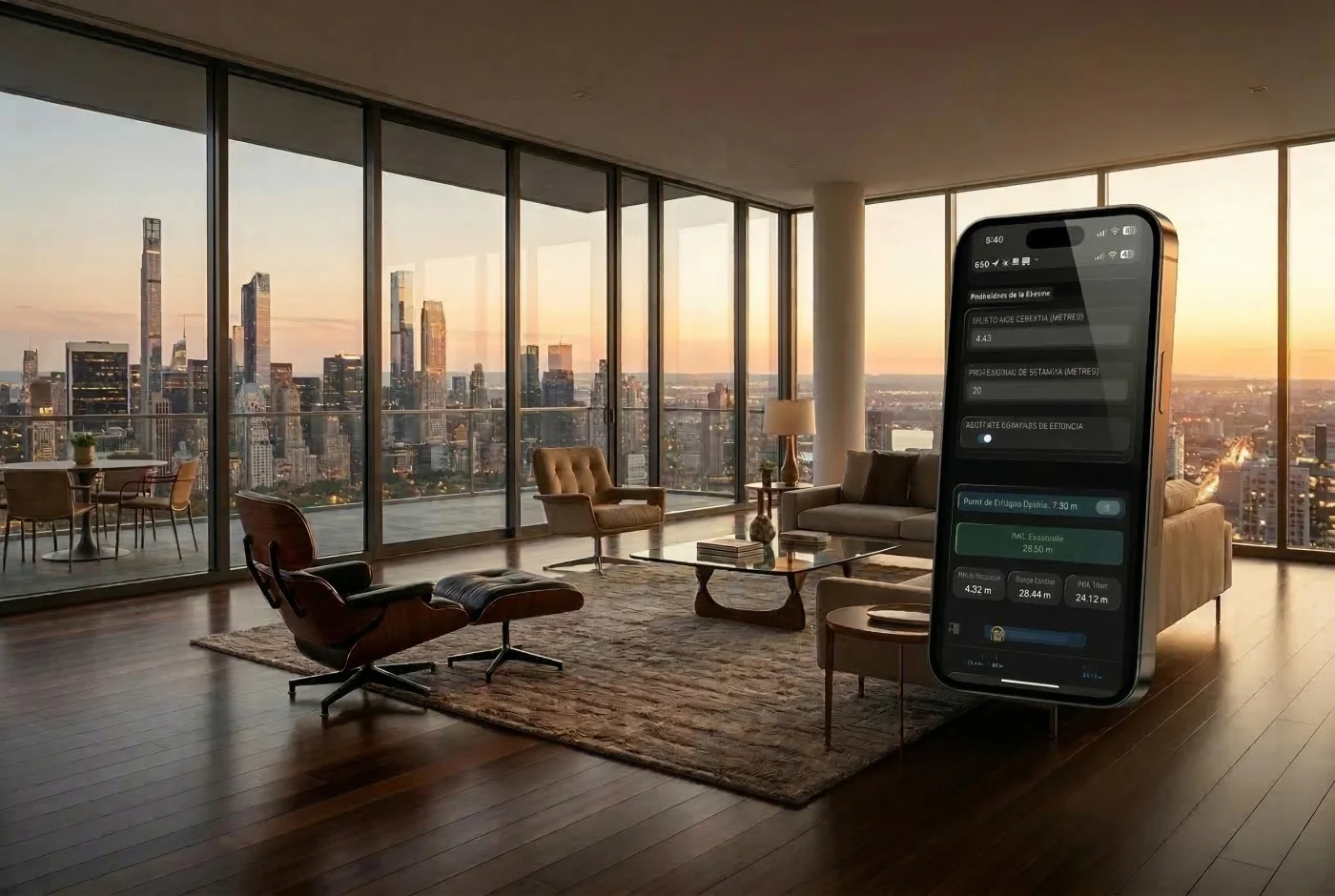
ShotPlanner adapts its questions, calculations and recommendations to each type of photography. It helps you solve your scene rather than forcing you to translate it into a generic calculator.
You do not need to learn another calculator. You need to figure out your next photograph.
Portrait
Action
Concerts
Landscape
Street
Nature
Real estate
Macro
Product
Astro
You also have the generic ‘Other’ module. Focus Stacking and Time Lapse are additional features.
05 / AR VIEWFINDER
Before taking the photograph,start seeing how it could look.
Explore your framing with ShotPlanner’s AR Viewfinder. Preview the angle of view for your selected focal length and discover which focal length could work best for the scene.
Think about where you will show your image too.
Try different formats or create your own to anticipate what will fall inside and outside the frame. Posting a 3:2 photograph in 4:5? Prepare your composition with that crop in mind.
The guides help you. Your eye decides.
Use guides such as thirds, the golden ratio and Fibonacci to arrange elements with intention. When colour is distracting, switch to black and white to assess highlights, shadows and contrast.
Open the viewfinder from the photography assistants and Astro Planning, keeping composition connected to your shooting preparations.
Choose the focal length. Prepare the format. Strengthen your composition.
4:53:2
Format and composition example · editorial image, not an app screenshot
06 / LIGHT METERING
It is not just about knowing how much light you have.It is about knowing what to do with it.
ShotPlanner turns your phone into an assistant for understanding and preparing your lighting. It measures continuous light with a compatible device and helps you relate aperture, ISO and exposure time for your photograph or video.
Working with several lights? Record your sources, choose one as a reference and check their relationships. Then take the set into Studio to prepare your lighting diagram without leaving the app.
From understanding light to giving it intention. With ShotPlanner.
Zone EL and a simulated grey card complement exposure planning. Mobile metering depends on the device and is not equivalent to a calibrated instrument.
CONTINUOUS LIGHT
ISOƒ1/s
One reference light. Several sources. One diagram.
When one shot is not enough,prepare the shots you need.
In macro, real estate and other scenes with shallow depth of field, stopping down further can reduce detail through diffraction without bringing the whole area you want into focus.
Choose your approach: by aperture or by number of images.
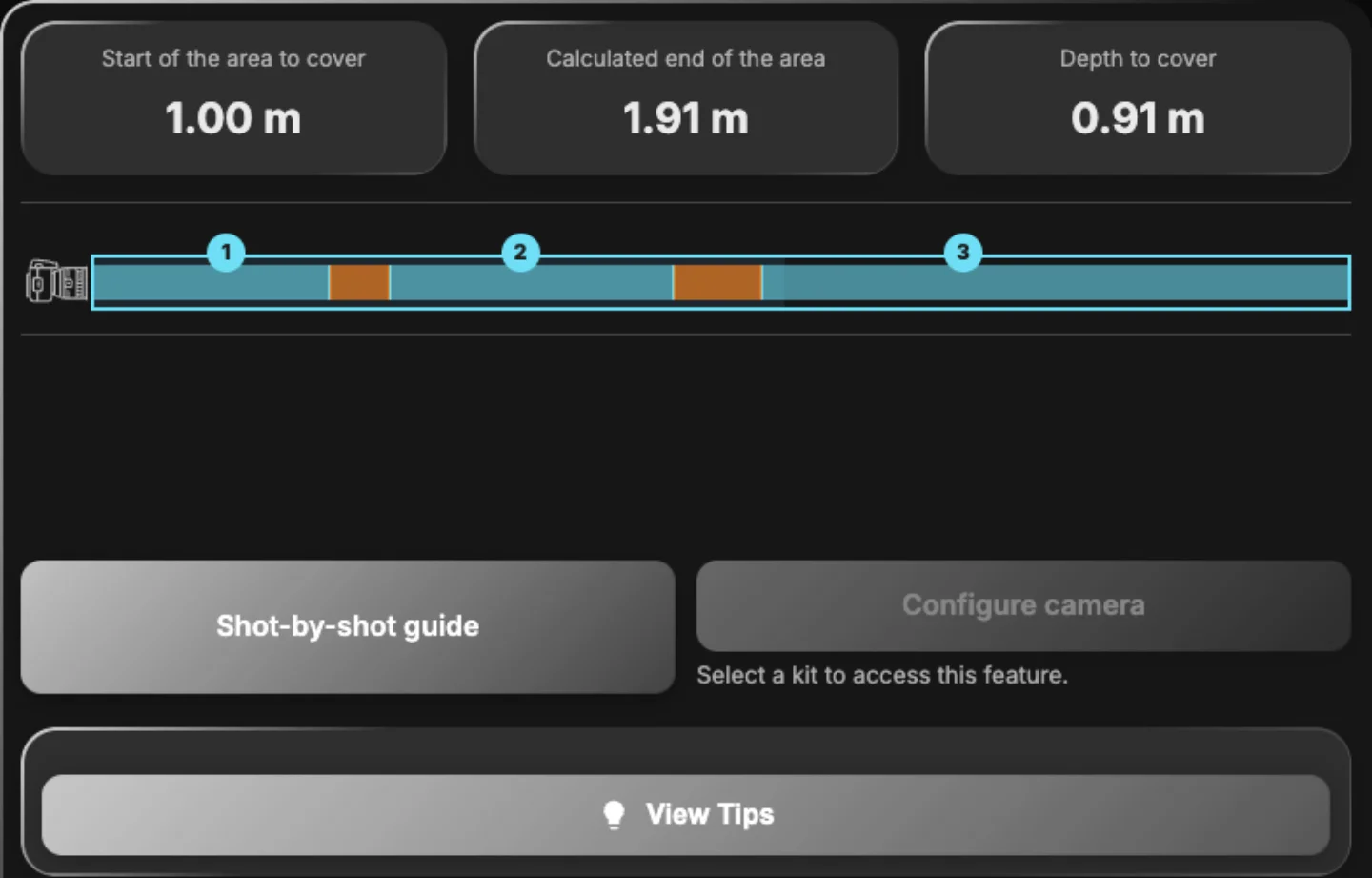
Want to use a particular aperture? ShotPlanner calculates the shots needed to cover the area you want sharp. Prefer to start with a number of photographs? It helps you find the aperture for that coverage, respecting your equipment’s limits and warning about possible diffraction trade-offs.
Prepare focus positions and overlap between shots so you can combine them later in stacking software.
A seemingly complex technique, explained one shot at a time.
Focus Stacking · shot planning
11 / TIME LAPSE
Imagine your Time Lapse.ShotPlanner helps you prepare the sequence.
Do you know how long you want your video to be, or how much time you have to capture it? Start with either option.
ShotPlanner relates duration, interval and number of photographs to help you organise your Time Lapse. Check estimated storage and technical warnings before you begin.
The scene provides the movement. You decide how to tell time.